Lipid nanoparticle
A tiny fat-based shell engineered to carry genetic cargo — mRNA, siRNA, or CRISPR components — into cells without triggering immune destruction.
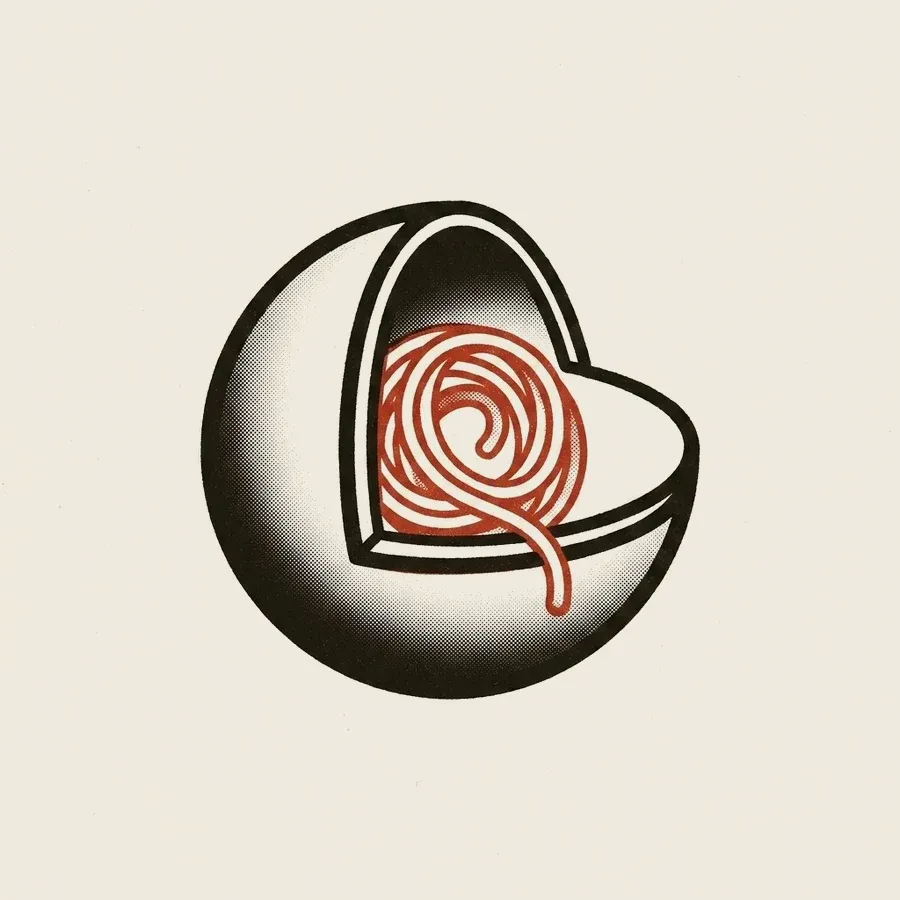
A lipid nanoparticle (LNP) is a sphere about 100 nanometres across, made from four types of fat-like molecules. Its job is to package a fragile nucleic-acid payload — most famously mRNA — and smuggle it past the cell membrane. Naked mRNA is degraded by enzymes in seconds; the LNP buys enough time for uptake. The hard part is targeting: most LNPs dump their payload in the liver because liver cells are the easiest to reach. Getting them reliably to lung, muscle, or tumour tissue without immune activation is what the entire drug-delivery field is fighting over.
Where it came from
In megatrends
Finds citing this concept
Overall = breadth + depth + substance + ½·novelty

The fix was the wrapper
A single IV infusion made one permanent DNA edit in the liver and cut LDL cholesterol by up to 62% — but the new result is that swapping the delivery vehicle cleared the safety signal that halted the first attempt.